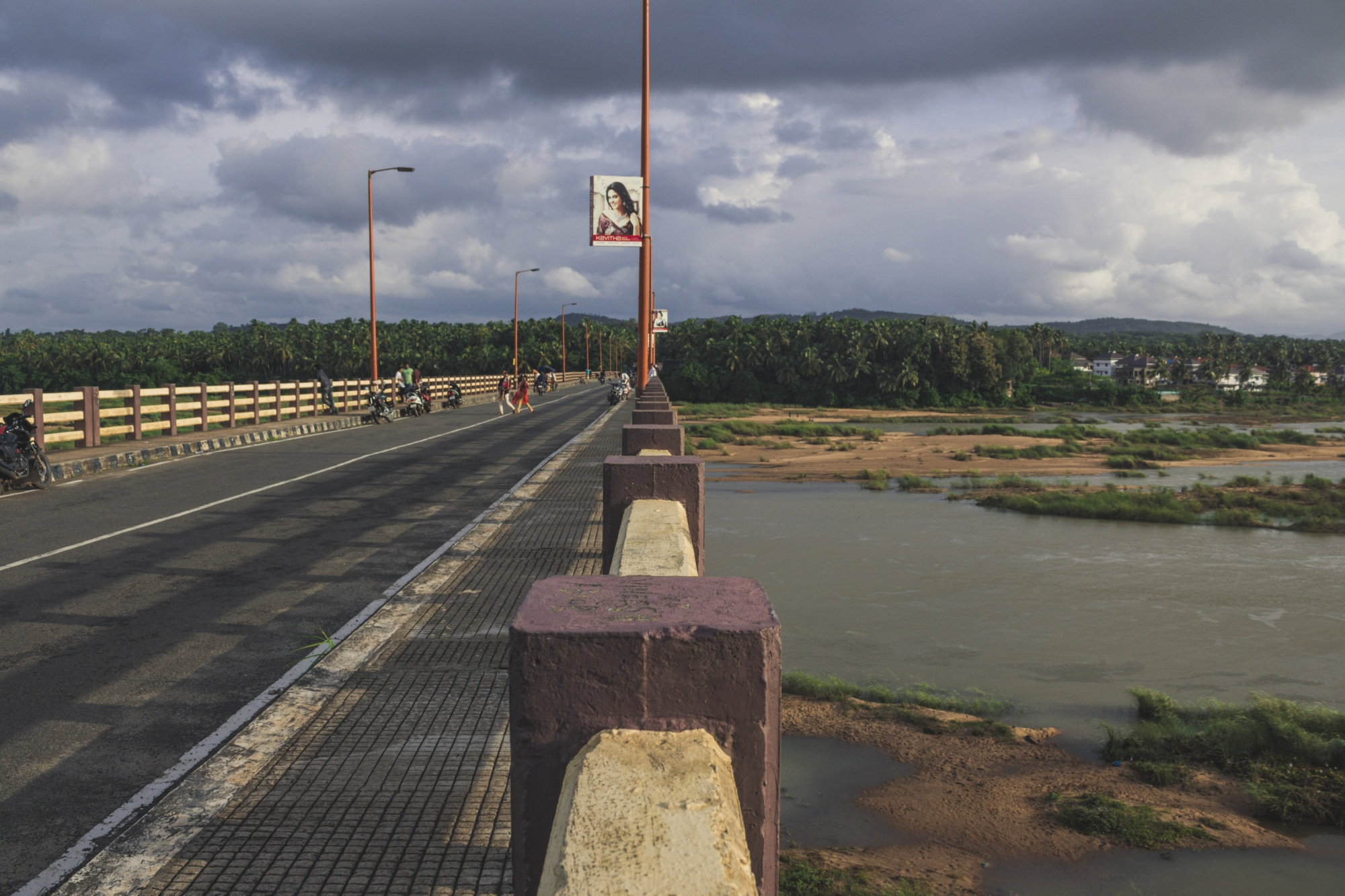
- Remarkable journeys and bonrush for ultimate travel adventures
- Unveiling the Essence of Immersive Travel Experiences
- The Role of Local Guides in Authentic Exploration
- Crafting Personalized Itineraries for Unique Adventures
- Utilizing Technology to Enhance Travel Planning
- Sustainable Travel Practices for Responsible Exploration
- Offsetting Your Carbon Footprint Through Responsible Choices
- The Future of Travel: Trends and Innovations
- Beyond the Horizon: Travel as a Catalyst for Personal Growth
Remarkable journeys and bonrush for ultimate travel adventures
The allure of travel is timeless, a fundamental human desire to explore, discover, and connect with the world beyond our immediate surroundings. For many, the thrill lies not just in reaching a destination but in the journey itself – the unexpected encounters, the cultural immersion, and the personal growth that comes with stepping outside of one's comfort zone. Increasingly, travelers are seeking experiences that are authentic, impactful, and tailored to their individual passions. This demand has led to a rise in specialized travel offerings, catering to niche interests and fostering a deeper connection with the places visited. The modern traveler often looks for seamless planning and unique opportunities, and often finds a sense of liberation in a well-organized and exciting adventure, and that’s where the concept of bonrush comes into play, streamlining the process and enhancing the overall experience.
Contemporary travel isn’t simply about ticking off landmarks; it’s about crafting memories and forging meaningful connections. It’s about understanding different perspectives, challenging preconceived notions, and broadening one’s horizons. The industry has responded by embracing technology, offering personalized itineraries, and focusing on sustainable tourism. There's a growing emphasis on responsible travel, where minimizing environmental impact and supporting local communities are paramount. This shift requires careful consideration when planning and choosing travel options, ensuring that exploration doesn't come at the expense of the destinations themselves. The appetite for unique and personally rewarding experiences continues to fuel innovation in the travel sector.
Unveiling the Essence of Immersive Travel Experiences
Immersive travel transcends the superficial; it's about actively engaging with a destination’s culture, history, and people. This doesn’t mean simply visiting attractions but rather allowing oneself to be enveloped by the local way of life. It could involve learning a few phrases in the local language, participating in traditional workshops, volunteering with a local organization, or simply taking the time to savor authentic cuisine. The goal is to move beyond the role of observer and become a temporary participant in the community. Embracing the unexpected is crucial. Sometimes, the most rewarding experiences are those that aren't planned, those serendipitous moments that arise from open-mindedness and a willingness to deviate from the typical tourist trail. Authenticity is key; seeking out genuine interactions and avoiding overly commercialized experiences contributes significantly to a more fulfilling journey.
The Role of Local Guides in Authentic Exploration
Local guides are invaluable assets in crafting immersive travel experiences. They possess an intimate knowledge of their surroundings, including hidden gems, cultural nuances, and local stories that would be inaccessible to the average tourist. A good guide isn’t just a source of information; they’re a cultural interpreter, bridging the gap between the traveler and the local community. They can provide insights into the historical context of a place, explain local customs, and facilitate meaningful interactions with residents. Choosing a guide who is passionate about their region and committed to responsible tourism is paramount. It’s also essential to support locally owned and operated tour companies, ensuring that the economic benefits of tourism remain within the community.
| Travel Style | Immersion Level |
|---|---|
| Traditional Tourism | Low |
| Adventure Travel | Medium |
| Cultural Exchange Programs | High |
| Volunteer Tourism | Very High |
The levels of immersion in different travel styles can drastically affect the quality of experience. Choosing a style that suits your preferences and values is vital for a fulfilling journey. Remember that even within traditional tourism, opportunities for deeper engagement can always be sought out.
Crafting Personalized Itineraries for Unique Adventures
Gone are the days of one-size-fits-all travel packages. Today’s travelers demand personalized itineraries that cater to their specific interests and preferences. This requires a shift in mindset, moving away from pre-packaged tours and embracing the flexibility of independent travel or working with travel specialists who can create bespoke experiences. The first step in crafting a personalized itinerary is identifying your passions. Are you a foodie eager to explore local culinary traditions? A history buff fascinated by ancient civilizations? An outdoor enthusiast seeking adrenaline-pumping adventures? Once you’ve pinpointed your interests, you can begin researching destinations and activities that align with your passions. Leveraging online resources, travel blogs, and social media can provide valuable insights and inspiration. Consider the time of year, the local climate, and any potential cultural events that might enhance your experience.
Utilizing Technology to Enhance Travel Planning
Technology plays a pivotal role in modern travel planning. Numerous apps and websites offer invaluable tools for researching destinations, booking flights and accommodations, and creating detailed itineraries. Online mapping services allow you to visualize your route and identify points of interest. Translation apps can help you communicate with locals. Travel forums and review sites provide access to firsthand experiences and recommendations from fellow travelers. However, it’s important to use technology as a tool, not a crutch. Don’t rely solely on online information; supplement it with local knowledge and be open to spontaneous discoveries. Effective use of technology regarding transport, accommodation and even communication can enhance your experience, and allow you to travel seamlessly.
- Research destinations thoroughly using online resources.
- Create a flexible itinerary with room for spontaneous adventures.
- Book accommodations and transportation in advance, especially during peak season.
- Learn a few basic phrases in the local language.
- Pack appropriately for the climate and activities.
- Be open to new experiences and embrace the unexpected.
- Respect local customs and traditions.
These points outline a basic framework for crafting a successful travel plan, but remember that the most important element is your openness to the experience itself. Adapting and being flexible will bring you the best rewards.
Sustainable Travel Practices for Responsible Exploration
The growing awareness of the environmental and social impact of tourism has led to a surge in demand for sustainable travel practices. Sustainable tourism aims to minimize negative consequences and maximize positive contributions to the destinations visited. This encompasses a wide range of considerations, from reducing carbon emissions to supporting local economies and preserving cultural heritage. Choosing eco-friendly accommodations, opting for public transportation or cycling, and minimizing waste are all simple yet effective ways to reduce your environmental footprint. Supporting locally owned businesses, purchasing locally made products, and respecting local customs contributes to economic empowerment and cultural preservation. Avoiding activities that exploit animals or contribute to environmental degradation is crucial. And, critically, seeking to understand the local challenges and contribute positively to the community, even in small ways, can create a lasting impact.
Offsetting Your Carbon Footprint Through Responsible Choices
Air travel is a significant contributor to carbon emissions, making it essential to consider offsetting your carbon footprint. Numerous organizations offer carbon offsetting programs, allowing you to invest in projects that reduce greenhouse gas emissions, such as reforestation initiatives or renewable energy projects. While carbon offsetting isn’t a perfect solution, it’s a step in the right direction. Another way to reduce your environmental impact is to choose destinations closer to home, minimizing the distance traveled. Consider slow travel options, such as train travel or sailing, which offer a more sustainable and immersive experience. Ultimately, responsible travel requires a conscious effort to make informed choices that prioritize environmental and social well-being.
- Choose eco-friendly accommodations.
- Support local businesses and communities.
- Minimize your waste and recycle whenever possible.
- Respect local customs and traditions.
- Offset your carbon footprint through reputable programs.
- Educate yourself about the environmental and social issues facing the destinations you visit.
- Advocate for sustainable tourism practices.
These steps are a solid foundation for more mindful and ethical travel, helping to ensure the preservation of our planet's beauty for future generations.
The Future of Travel: Trends and Innovations
The travel industry is constantly evolving, driven by technological advancements and changing consumer preferences. Several key trends are shaping the future of travel, including the rise of experiential travel, the increasing demand for personalization, and the growing emphasis on sustainability. Artificial intelligence (AI) is playing an increasingly important role, powering personalized recommendations, automating travel planning, and enhancing the customer experience. Virtual reality (VR) and augmented reality (AR) technologies are offering immersive previews of destinations and enhancing on-site experiences. The sharing economy continues to disrupt traditional travel models, with platforms like Airbnb offering alternative accommodation options and fostering local connections. The emphasis on convenience and seamless travel experiences is driving innovation in areas such as contactless check-in, biometric security, and personalized travel assistants. The concept of bonrush, facilitating such convenience, is likely to greatly influence how people plan and experience travel.
One exciting development is the growing interest in space tourism, albeit still in its nascent stages. While currently limited to a small number of ultra-wealthy individuals, the prospect of commercial space travel offers a glimpse into the future of exploration. Beyond that, advancements in renewable energy and sustainable aviation are paving the way for more environmentally friendly travel options. The industry is also recognizing the importance of inclusivity and accessibility, striving to make travel more welcoming and accessible to people of all abilities. These shifts demonstrate the ever-changing landscape of travel and the continuous search for better, more meaningful, and responsible ways to explore the world.
Beyond the Horizon: Travel as a Catalyst for Personal Growth
Travel extends far beyond leisure and relaxation; it’s a powerful catalyst for personal growth and self-discovery. Stepping outside of one’s familiar surroundings forces you to confront new challenges, adapt to unfamiliar situations, and broaden your perspective. Encountering different cultures and ways of life can challenge your preconceived notions and foster a greater sense of empathy and understanding. The ability to navigate unfamiliar environments builds confidence and resilience. The solitude and introspection that often accompany travel can provide opportunities for self-reflection and personal insights. Consider the experiences of individuals who have embarked on extended journeys, such as gap year students, digital nomads, or long-term travelers. These individuals often report profound personal transformations as a result of their experiences. The impact of these journeys can extend far beyond the trip itself, shaping their future choices and perspectives.
Imagine a young professional, feeling stuck in a rut, deciding to spend six months backpacking through Southeast Asia. Initially apprehensive, they quickly learn to navigate bustling markets, communicate in broken phrases, and adapt to unpredictable situations. They volunteer at a local school, forging connections with students and teachers, and gain a deeper understanding of the challenges and opportunities facing the community. Upon returning home, they’ve not only collected incredible stories but have also developed a newfound sense of purpose and clarity, leading them to pursue a career that aligns with their values. Travel, therefore, is often an investment in oneself – in one’s growth, understanding, and overall well-being. It's about seeking authentic experiences and allowing the journey to shape you rather than simply defining you.