
The Impact of Atmosphere on Player Behavior
The atmosphere of a casino plays a crucial role in influencing the behavior and mentality of its patrons. Designers carefully curate elements such as lighting, sound, and decor to create an immersive environment that captivates visitors. Bright, flashing lights and lively music can create an exhilarating ambiance that encourages excitement and engagement. By stimulating the senses, casinos aim to draw players deeper into the experience, making them more likely to stay longer and spend more money. For those looking to unwind after gaming, the best online pokies australia can provide an enjoyable way to continue the entertainment. This carefully constructed atmosphere is not merely for aesthetics; it is a calculated effort to enhance the overall gaming experience and maximize profitability.
Furthermore, the use of space is pivotal in this atmospheric design. Open layouts, packed with gaming machines and tables, create a sense of abundance and opportunity. Such designs make it feel as if there are endless opportunities to win, which can lead to an increase in gambling behavior. Patrons are likely to feel a sense of excitement as they see others winning, further encouraging them to engage with games themselves. Contrarily, cramped spaces can lead to feelings of discomfort and anxiety, which is why many casinos opt for expansive floor plans, promoting a free-flowing environment that encourages prolonged play and fosters social interactions among guests.
The psychological effects of temperature also cannot be overlooked. Casinos are often kept at a cool temperature to ensure patrons remain alert and energized. Cooler environments can stimulate mental acuity, allowing players to focus better on their gaming strategies. Additionally, the lack of natural light, often replaced by artificial lighting, keeps the players unaware of the passage of time. This attention to detail in atmospheric design illustrates how every element within a casino is strategically chosen to create an environment that maximizes profitability while maintaining a sense of enjoyment for visitors.
Color Psychology and Its Role in Casino Design
Color plays a significant role in influencing mood and behavior, and casino designers exploit this phenomenon to enhance player engagement. Research indicates that certain colors can provoke specific emotional responses; for example, red is often associated with excitement and urgency, while blue can foster feelings of tranquility. By integrating these colors into the design, casinos aim to create a stimulating, yet comfortable environment that encourages patrons to spend more time within their walls. The careful selection of colors is not only for visual appeal but also serves as a psychological trigger that affects decision-making and emotional responses.
In particular, vibrant colors are often used in gaming areas to elicit excitement and energy. This can be seen in the array of slot machines that showcase bold, eye-catching colors to attract players. These color choices are deliberate, as they aim to create an atmosphere filled with energy and anticipation. Furthermore, softer hues may be employed in rest areas to encourage relaxation and social interaction among guests, showing that the color scheme is not only about aesthetics but also about fostering an overall experience that appeals to a range of emotions. This strategic balance ensures that players feel both excited about gaming and comfortable enough to take breaks.
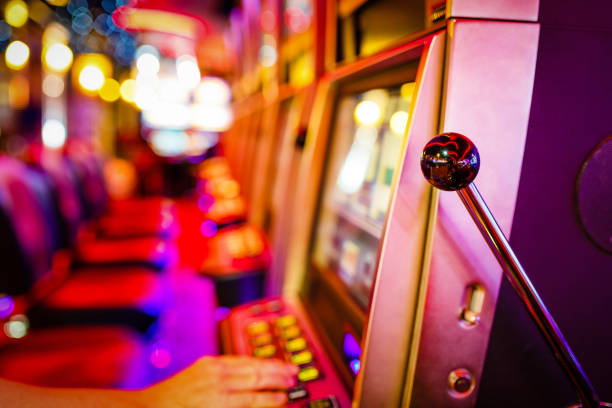
Additionally, the strategic use of color can also influence decision-making processes. A well-placed red light might encourage players to try their luck again, while green, often associated with wealth, can lead to a feeling of comfort and security. The use of gold accents can connote luxury and success, enhancing the overall allure of the gaming experience. By understanding and employing color psychology, casinos can manipulate the emotional landscape of their visitors in a way that drives them toward spending and enjoying the gaming experience, ensuring that the environment is both inviting and stimulating.
The Power of Layout and Navigation
The physical layout of a casino is crafted with the intent of guiding patrons through a carefully planned journey. Most casinos implement a design that encourages exploration, often employing a maze-like structure. This navigation strategy can prolong the time spent within the venue, as players often wander from one gaming area to another without a straightforward path out. The deliberate placement of popular games near entrances and high-traffic areas ensures that players are continuously drawn into new gaming experiences, which can lead to extended gambling sessions and ultimately increasing the casino’s revenue.
Moreover, the arrangement of gaming machines, tables, and amenities is strategically placed to maximize visibility and accessibility. High-traffic areas are often populated with the most popular games to ensnare the attention of passersby. This continuous exposure to gaming options can create a sense of FOMO (fear of missing out), compelling individuals to engage in gaming they might not have initially considered. By directing the flow of traffic, designers ensure that players remain in the gaming areas and continue betting, often leading to unplanned spending as they become engrossed in the experience.
The incorporation of social spaces such as bars and lounges further enhances this layout strategy. These zones serve as rest and recharge areas, encouraging players to stay within the casino for longer periods. The proximity of these social interactions to gaming areas is intentional; it promotes a cycle of continuous play as players engage with their peers and feel a compelling need to return to gambling after socializing. Ultimately, through these expertly crafted layouts, casinos create an environment that sustains engagement, maximizes profitability, and enhances the overall visitor experience.
Psychological Triggers Through Rewards and Incentives
Casinos employ a variety of psychological triggers through their reward systems to foster loyalty and encourage continued play. Loyalty programs, bonuses, and promotional offers create tangible incentives for players, making them feel valued and appreciated. This strategy not only fosters a sense of belonging and community but also encourages players to return, believing they will receive further rewards for their loyalty. These incentives are designed to create a positive reinforcement loop, where players associate their gambling activities with rewards, thus increasing their likelihood of returning for more.
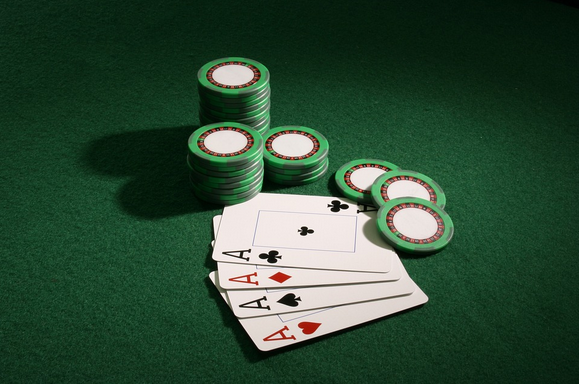
The “near-miss effect” is another psychological tactic used effectively in casino design. This phenomenon occurs when a player almost wins, which can elicit a sense of hope and motivation to continue playing. Slot machines are often programmed to ensure these near misses happen frequently, keeping players engaged by reinforcing the belief that a win is just around the corner. Such psychological strategies tap into basic human emotions, driving players to persist in their gambling endeavors, as they often believe that their luck will turn in their favor. This design element is crucial for maintaining engagement and encouraging longer play sessions.
Furthermore, the use of sound and visual rewards can amplify the excitement of these incentives. Winning sounds, flashing lights, and celebratory animations are all deliberate choices made to reinforce positive feelings associated with gambling. These elements create an engaging feedback loop, where the joy of winning is amplified, motivating players to continue their activities within the casino. The emotional highs generated by these rewards can lead to addictive behaviors, as players seek to replicate the thrill of winning. By understanding the nuances of psychological triggers, casinos can effectively craft an experience that captivates and retains visitors, ensuring that the gaming environment remains vibrant and engaging.
Understanding Casino Websites and Their Design Psychology
The principles of psychological design extend beyond the physical space of casinos into the digital realm as well. Casino websites are intentionally crafted to provide a seamless user experience that mirrors the excitement and immersion of a physical casino. Recognizing that online engagement is vital, designers focus heavily on creating interfaces that maximize user retention and encourage play without overwhelming visitors with choices. This digital strategy often incorporates many of the same psychological principles used in physical spaces, creating a cohesive brand experience.
Color schemes, layout, and interactive elements on casino websites echo the psychological strategies employed in physical locations. For instance, vibrant colors and dynamic graphics attract players’ eyes and draw them into available games. Clear navigation ensures that users have a pleasant experience, allowing them to easily find their favorite games or promotional offers. By streamlining the user interface, casinos can increase engagement and reduce the likelihood of user frustration, ultimately resulting in longer play sessions and increased spending.
Moreover, online casinos leverage various incentives, similar to their physical counterparts. Welcome bonuses, free spins, and loyalty rewards are prominently displayed to entice new users and encourage existing players to return. The design of these offers is intentional, creating an emotional response that fosters excitement and anticipation. Such promotions are often time-sensitive, playing on the psychological principle of scarcity to drive immediate action. Thus, the psychology behind casino design applies equally to both physical and online environments, illustrating the significance of understanding player behavior in optimizing engagement and revenue, as well as fostering a sense of community among players.