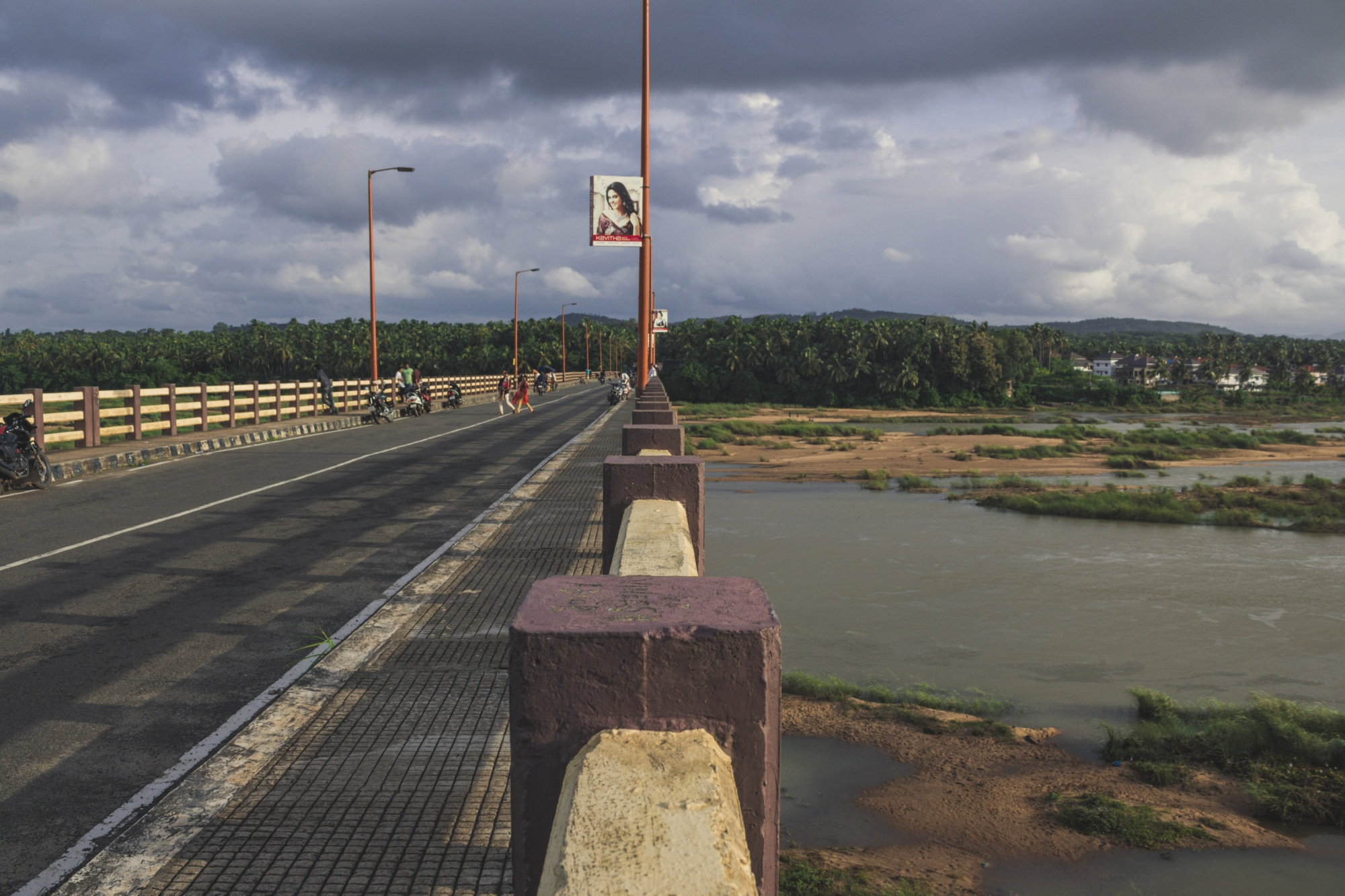
- Serenity found exploring diverse wildlife around https://winner-island.org.uk and beyond
- Coastal Birdlife and the Intertidal Zone
- Understanding the Intertidal Ecosystem
- Woodland Habitats and Mammalian Fauna
- Identifying Woodland Plants and Their Importance
- Freshwater Ecosystems and Amphibian Life
- The Role of Aquatic Insects in Freshwater Food Webs
- Responsible Wildlife Viewing and Conservation Efforts
- The Future of Wildlife Conservation in the Area
Serenity found exploring diverse wildlife around https://winner-island.org.uk and beyond
The allure of untouched natural beauty draws many to unique destinations, and few places embody this quite like the areas surrounding https://winner-island.org.uk. This region offers a captivating blend of serene landscapes, diverse ecosystems, and a wealth of wildlife, creating an ideal setting for exploration and mindful reconnection with the natural world. Whether you're an avid birdwatcher, a passionate conservationist, or simply someone seeking tranquility, the opportunities for discovery are plentiful and deeply rewarding. The coastal environments, in particular, are havens for migratory birds and marine life, making it a destination of significant ecological importance.
Beyond the immediate vicinity of Winner Island, a broader range of habitats extends inland, encompassing woodlands, meadows, and freshwater ecosystems. These diverse environments support a rich tapestry of flora and fauna, offering a constantly evolving spectacle for nature enthusiasts. Understanding the intricate relationships within these ecosystems, and the importance of their preservation, is key to appreciating the true value of this remarkable region. Responsible tourism and conservation efforts play a crucial role in safeguarding this natural heritage for future generations, ensuring that the beauty and biodiversity of the area remain intact.
Coastal Birdlife and the Intertidal Zone
The coastline near Winner Island is a focal point for incredible birdlife, particularly during migration seasons. Numerous species utilize the area as a crucial stopover point, replenishing their energy reserves before continuing their long journeys. Observing these birds in their natural habitat is an experience that blends beauty with an understanding of global ecological connections. The types of birds you might encounter range from wading shorebirds like sandpipers and plovers, expertly probing the mudflats for invertebrates, to larger seabirds such as gulls, terns, and even occasionally, majestic raptors scanning the open water for fish. Careful observation, perhaps with a pair of binoculars, reveals the subtle differences in plumage, beaks, and behaviors that distinguish each species.
Understanding the Intertidal Ecosystem
The intertidal zone, the area between high and low tide, is a dynamic and challenging environment for life. Organisms inhabiting this zone must adapt to fluctuating conditions – immersion in saltwater, exposure to air and sunlight, and the constant action of waves. This has led to the evolution of remarkably resilient creatures, like barnacles, mussels, sea stars, and various types of crabs. Exploring this zone during low tide reveals a miniature world of fascinating adaptations and ecological interactions. It’s important to remember to tread carefully, minimizing disturbance to these fragile habitats, and always checking tide times before venturing onto the shore.
| Species | Typical Feeding Habits |
|---|---|
| Oystercatcher | Probing for shellfish in intertidal mudflats |
| Dunlin | Picking small invertebrates from the surface of mud |
| Common Tern | Diving for small fish |
| Grey Seal | Feeding on fish and squid in coastal waters |
The health of this intertidal zone is an excellent indicator of the broader coastal ecosystem's health. Monitoring populations of key species and water quality are vital steps in conservation efforts, ensuring the continued thriving of this crucial environment. Further investigation into the area’s marine wildlife is encouraged.
Woodland Habitats and Mammalian Fauna
Moving inland from the coast, the landscape around Winner Island transitions into areas of woodland, offering a different but equally compelling array of wildlife. These woodlands are often comprised of a mix of deciduous and coniferous trees, creating varied habitats that support a wide range of species. The woodlands offer shelter and sustenance for mammals such as foxes, badgers, deer, and potentially, even rarer species like pine martens. The undergrowth provides cover for smaller mammals like hedgehogs and voles, which in turn form the base of the food chain, supporting predators higher up the ecological ladder. Careful observation, often best conducted at dawn or dusk, may reveal glimpses of these elusive creatures.
Identifying Woodland Plants and Their Importance
The plant life within these woodlands is as diverse as the animal inhabitants. From towering oak and beech trees to delicate wildflowers carpeting the forest floor, each species plays a vital role in the ecosystem. Identifying these plants not only adds to the enjoyment of a woodland walk but also deepens your understanding of the interconnectedness of life. Many woodland plants provide food and shelter for insects, which are themselves an important food source for birds and other animals. Understanding seasonal changes in the woodland – the emergence of spring flowers, the ripening of berries in autumn – offers a compelling window into the natural rhythm of the year. Responsible foraging practices, when permitted, can provide a sustainable way to connect with the woodland's bounty.
- Protecting the ancient woodlands is essential for preserving biodiversity.
- Sustainable forestry practices can balance timber production with habitat conservation.
- Creating wildlife corridors allows animals to move freely between fragmented habitats.
- Reducing pesticide use protects the insects and birds that rely on them.
The overall health of the woodland ecosystems directly impacts the quality of life for both wildlife and humans. Protecting these areas is not just an environmental imperative, but also a crucial step towards ensuring a sustainable future.
Freshwater Ecosystems and Amphibian Life
Scattered throughout the landscape surrounding Winner Island, freshwater ecosystems such as rivers, streams, and ponds provide essential habitats for a distinct set of species. These waterways serve as critical breeding grounds for amphibians like frogs, toads, and newts, as well as providing drinking water and sustenance for a variety of mammals and birds. The water quality in these ecosystems is paramount, and any pollution can have devastating consequences for the delicate balance of life within. Monitoring these water bodies for contaminants and implementing measures to reduce runoff from agricultural lands and urban areas are crucial conservation strategies. The presence of healthy amphibian populations is often considered an indicator of overall ecosystem health.
The Role of Aquatic Insects in Freshwater Food Webs
Aquatic insects play a vital role in freshwater ecosystems, forming a crucial link in the food web. From mayfly nymphs and caddisfly larvae to dragonfly nymphs and stonefly larvae, these invertebrates serve as a primary food source for fish, amphibians, and birds. The diversity of aquatic insect species is a good indicator of water quality; sensitive species are often the first to disappear in polluted waters. Monitoring aquatic insect populations provides valuable insights into the health of the ecosystem and can help identify potential problems before they become severe. Furthermore, these insects contribute to nutrient cycling and decomposition, playing a key role in maintaining a healthy aquatic environment.
- Regular water quality testing is essential for monitoring pollution levels.
- Riparian buffer zones – vegetated areas along riverbanks – help filter pollutants and stabilize shorelines.
- Reducing fertilizer use in agriculture minimizes nutrient runoff.
- Restoring degraded wetlands helps improve water quality and provides habitat for wildlife.
Conserving freshwater ecosystems requires a holistic approach, addressing both water quality and habitat protection. Maintaining the integrity of these valuable resources is vital for ensuring the long-term health of the surrounding landscape and the well-being of both wildlife and human communities.
Responsible Wildlife Viewing and Conservation Efforts
Enjoying the wildlife around Winner Island comes with a responsibility to minimize our impact and contribute to conservation efforts. Practicing responsible wildlife viewing – maintaining a respectful distance, avoiding disturbance during breeding seasons, and never feeding animals – is essential. Supporting local conservation organizations and participating in citizen science projects are other ways to make a positive contribution. These organizations often rely on volunteers to monitor wildlife populations, restore habitats, and educate the public about the importance of conservation. Remember that even seemingly small actions, like reducing your carbon footprint and making sustainable consumer choices, can have a cumulative effect on the health of the environment.
The long-term sustainability of the ecosystems surrounding Winner Island depends on a collaborative effort involving landowners, conservationists, local communities, and visitors. By working together, we can ensure that future generations have the opportunity to experience the beauty and wonder of these remarkable natural environments. Education and awareness are key to fostering a culture of conservation, empowering individuals to make informed decisions that benefit both wildlife and the planet.
The Future of Wildlife Conservation in the Area
Looking ahead, the future of wildlife conservation around Winner Island hinges on proactive strategies addressing emerging challenges. Climate change poses a significant threat, altering habitats and disrupting ecological relationships. Rising sea levels, increased frequency of extreme weather events, and changes in temperature patterns can all have detrimental impacts on wildlife populations. Implementing mitigation measures to reduce greenhouse gas emissions, protecting and restoring coastal habitats, and creating corridors for species to migrate and adapt are crucial steps. Furthermore, addressing the issue of plastic pollution, which poses a threat to marine life and contaminates ecosystems, requires a concerted effort to reduce plastic consumption and improve waste management practices.
Innovative technologies, such as remote sensing and ecological monitoring, are playing an increasingly important role in conservation efforts. These tools allow researchers to track wildlife movements, assess habitat health, and identify emerging threats more effectively. Furthermore, community-based conservation initiatives, empowering local communities to become stewards of their natural resources, are proving to be highly successful. By fostering a sense of ownership and responsibility, these initiatives ensure the long-term sustainability of conservation efforts. Preserving the biodiversity of the regions around https://winner-island.org.uk requires a long-term, collaborative, and adaptive approach, focusing on both mitigating threats and enhancing resilience.