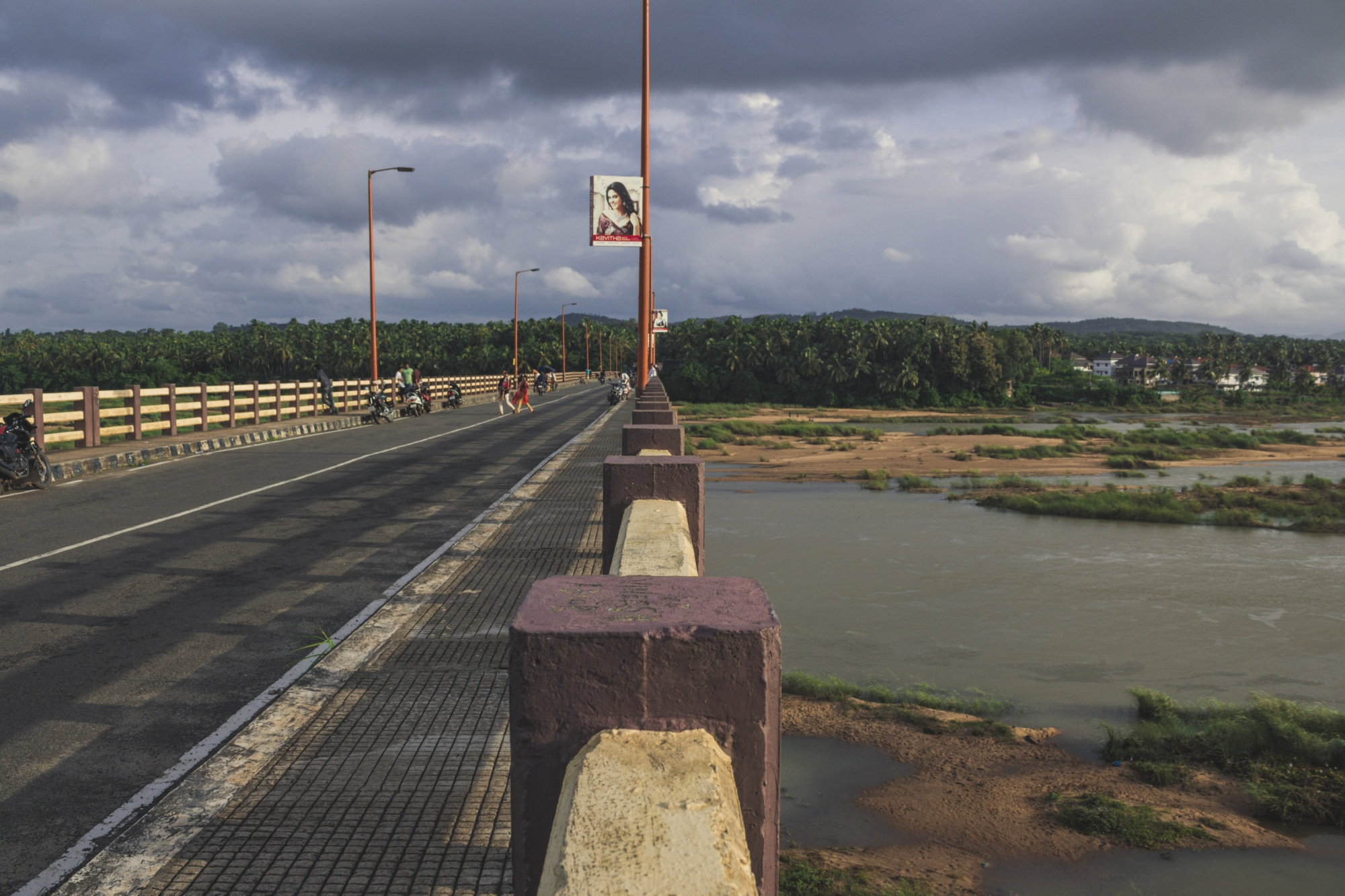
- Numerous landscapes reveal shiny wild beauty and hidden adventures
- The Alluring Majesty of Untamed Forests
- The Importance of Forest Conservation
- The Raw Beauty of Mountain Ranges
- Challenges Facing Mountain Ecosystems
- The Untamed Spirit of Deserts
- The Unique Adaptations of Desert Life
- Coastal Wonders – Where Land Meets Sea
- The Interconnectedness of Wild Spaces and a Future for Conservation
Numerous landscapes reveal shiny wild beauty and hidden adventures
The allure of untouched landscapes, brimming with life and untamed beauty, has captivated humans for centuries. There's a certain magic inherent in witnessing nature in its rawest form – a sense of wonder and escape from the increasingly structured world we inhabit. This is the essence of shiny wild, a term evocative of pristine environments, vibrant ecosystems, and the thrilling possibility of discovering something truly unique. It speaks to the inherent value of preserving these spaces, not only for the benefit of the natural world but also for the spiritual enrichment they offer to those who experience them.
Exploring these environments isn't simply about admiring the scenery; it’s about engaging with a system far grander and more complex than ourselves. From the smallest insect to the largest mammal, every living organism plays a role in the intricate web of life. The landscapes themselves, shaped by geological forces over millennia, bear witness to the earth’s enduring power. Seeking out these wild spaces provides an opportunity for introspection, adventure, and a deeper understanding of our place within the natural world, reminding us of the delicate balance that sustains all life and the need for responsible stewardship.
The Alluring Majesty of Untamed Forests
Forests, in their vast and varied forms, represent some of the most iconic examples of the shiny wild. From the dense rainforests of the Amazon to the boreal forests of Canada and Russia, these ecosystems teem with biodiversity. Old-growth forests, in particular, possess a unique character; colossal trees, some centuries old, stand as silent sentinels, offering a glimpse into a bygone era. These forests aren't merely collections of trees; they are complex communities of plants, animals, fungi, and microorganisms all interacting in a delicate and often unseen harmony. The forest floor, a rich tapestry of decaying leaves and organic matter, provides sustenance for a multitude of life forms, while the canopy above filters sunlight and provides shelter for birds and primates.
The Importance of Forest Conservation
Unfortunately, forests are facing unprecedented threats from deforestation, climate change, and unsustainable logging practices. The loss of these vital ecosystems has far-reaching consequences, including habitat loss, soil erosion, and increased carbon emissions. Conservation efforts are crucial to protecting these precious resources. Sustainable forestry practices, which prioritize long-term forest health over short-term economic gains, are essential. Furthermore, reforestation initiatives – the planting of new trees – can help restore degraded forests and sequester carbon dioxide from the atmosphere. Supporting organizations dedicated to forest conservation and advocating for policies that protect these ecosystems are also vital steps individuals can take to contribute to their preservation. Effective forest management often relies on community involvement, empowering local populations to become stewards of the forest.
| Forest Type | Dominant Species | Climate | Conservation Status |
|---|---|---|---|
| Boreal Forest | Spruce, Fir, Pine | Cold, Snowy | Vulnerable |
| Tropical Rainforest | Mahogany, Teak, Various Hardwoods | Hot, Humid | Endangered |
| Temperate Deciduous Forest | Oak, Maple, Beech | Moderate, Seasonal | Relatively Stable (but threatened) |
| Mangrove Forest | Mangrove Trees | Tropical, Coastal | Critically Endangered |
The intricate relationship between forest health and global climate patterns cannot be overstated. Forests act as significant carbon sinks, absorbing carbon dioxide from the atmosphere and storing it in their biomass. Protecting and restoring forests is therefore paramount in the fight against climate change, offering a natural solution to reduce greenhouse gas concentrations and mitigate the impacts of a warming planet. The preservation of these landscapes is not merely an environmental concern; it's a matter of global stability.
The Raw Beauty of Mountain Ranges
Mountain ranges represent another powerful expression of the shiny wild. Their sheer scale and dramatic landscapes inspire awe and a sense of humility. From the towering peaks of the Himalayas to the rugged beauty of the Rocky Mountains, these geological formations are shaped by the forces of plate tectonics, erosion, and glacial activity. Mountains harbor a unique array of ecosystems, ranging from alpine meadows to coniferous forests, each supporting a specialized community of plants and animals. The changes in elevation create a mosaic of microclimates, allowing for a remarkable diversity of life to thrive within relatively small areas. The scarcity of resources at higher altitudes often leads to remarkable adaptations in the flora and fauna found there.
Challenges Facing Mountain Ecosystems
Mountain ecosystems are particularly vulnerable to the effects of climate change. Rising temperatures are causing glaciers to melt at an alarming rate, impacting water supplies for downstream communities and altering alpine habitats. Changes in precipitation patterns can lead to increased risks of landslides and floods. Furthermore, the increasing demand for recreational activities in mountain areas can put pressure on fragile ecosystems. Sustainable tourism practices, which minimize environmental impact and respect local cultures, are essential for protecting these landscapes. Promoting responsible trail building, managing visitor access, and educating tourists about the importance of conservation can help mitigate the negative effects of tourism. Careful consideration of the ecological impacts of infrastructure development, such as roads and ski resorts, is also critical.
- Glacier Melt: A significant threat to water resources and alpine habitats.
- Climate Change Impacts: Altered precipitation patterns and increased risks of natural disasters.
- Tourism Pressures: Potential for habitat degradation and disturbance of wildlife.
- Infrastructure Development: Impact on landscape connectivity and ecosystem health.
- Poaching and Illegal Wildlife Trade: Threatening vulnerable species in remote areas.
The iconic wildlife that calls mountain ranges home – snow leopards, mountain goats, bighorn sheep – are often facing increasing challenges due to habitat loss and poaching. Dedicated conservation efforts, including anti-poaching patrols, habitat restoration, and community-based conservation initiatives, are vital to ensuring the survival of these magnificent creatures. Protecting the integrity of mountain ecosystems requires a holistic approach that addresses both environmental and socio-economic factors.
The Untamed Spirit of Deserts
Often perceived as barren and desolate, deserts are, in fact, vibrant ecosystems teeming with life adapted to harsh conditions. The shiny wild manifests itself in the subtle beauty of desert landscapes – the stark contrast between sand and sky, the resilience of plants that survive with minimal water, and the specialized adaptations of animals that thrive in extreme temperatures. From the Sahara Desert in Africa to the Sonoran Desert in North America, these environments showcase the incredible power of life to adapt and endure. The seemingly empty expanses are full of hidden life, from nocturnal creatures to deeply rooted plants waiting for the rare rainfall. Desert ecosystems are surprisingly delicate and sensitive to disturbance.
The Unique Adaptations of Desert Life
Desert plants and animals have developed remarkable adaptations to survive in arid conditions. Cacti, for example, store water in their stems and have spines instead of leaves to reduce water loss. Desert animals, such as camels and kangaroo rats, have physiological adaptations that allow them to conserve water and regulate their body temperature. Behavioral adaptations, such as nocturnal activity, also help desert animals avoid the scorching heat of the day. The interconnectedness of life in the desert is crucial; each organism plays a role in maintaining the delicate balance of the ecosystem. Understanding these adaptations is vital for appreciating the ingenuity of nature and the importance of conserving these unique environments. The fragile nature of desert ecosystems means they are slow to recover from disturbances, making conservation efforts particularly important.
- Water Conservation: Plants and animals exhibit physiological and behavioral adaptations to minimize water loss.
- Temperature Regulation: Strategies to cope with extreme heat and cold.
- Nocturnal Activity: Avoidance of daytime heat by being active at night.
- Specialized Food Sources: Utilizing scarce resources efficiently.
- Camouflage and Protection: Avoiding predators and harsh environmental conditions.
Desertification – the process by which fertile land turns into desert – is a growing threat to many arid regions around the world. Overgrazing, deforestation, and unsustainable agricultural practices contribute to soil erosion and loss of vegetation, accelerating the desertification process. Sustainable land management practices, such as agroforestry, water harvesting, and controlled grazing, can help reverse desertification and restore degraded lands. Empowering local communities to manage their land sustainably is crucial for long-term success. Investing in research to develop drought-resistant crops and improve water efficiency is also essential.
Coastal Wonders – Where Land Meets Sea
The interface between land and sea, the coastal zone, is an incredibly dynamic and biodiverse environment, showcasing the shiny wild in a dramatically different light. From rocky cliffs and sandy beaches to mangrove forests and coral reefs, coastal ecosystems are constantly shaped by the forces of waves, tides, and weather. These areas support a vast array of life, including seabirds, marine mammals, fish, and invertebrates. Coastal ecosystems provide critical habitat for many endangered species and play a vital role in regulating coastal processes, such as erosion and nutrient cycling. The constant interplay of freshwater and saltwater creates unique ecological niches.
The Interconnectedness of Wild Spaces and a Future for Conservation
The beauty and vitality of these wild spaces are not isolated phenomena, but rather interconnected components of a global ecosystem. Recognizing this interconnectedness is fundamental to effective conservation efforts. Protecting one area – a forest, a mountain range, a desert, a coastline – can have ripple effects that benefit other ecosystems and species. This interconnectedness extends to human communities as well. The health of these ecosystems directly impacts the availability of clean water, food, and other essential resources. Sustainable development practices that prioritize environmental protection and community well-being are crucial for ensuring a healthy planet for future generations. The future of the shiny wild depends on our collective commitment to stewardship and responsible resource management.
Consider the case of ecotourism in Costa Rica. By focusing on sustainable tourism practices that generate revenue for local communities while protecting the country’s biodiversity, Costa Rica has demonstrated that economic development and environmental conservation can go hand in hand. This model provides a blueprint for other nations seeking to balance economic growth with environmental sustainability. The key lies in recognizing the inherent value of nature, not just as a source of resources, but as a vital component of our collective well-being, and fostering a deep respect for the intrinsic value of these landscapes.