- Wonderful journeys await with chicken road australia and vibrant Australian wildlife encounters
- Understanding the Instinct Behind the Journey
- Factors Influencing Chicken Movement
- Navigating the Roads: Risks and Challenges
- Mitigation Strategies for Road Safety
- The Role of Habitat Preservation and Sustainable Farming
- Integrating Chicken Welfare into Agricultural Practices
- The Cultural Significance of Chickens in Australia
- Observing the Phenomenon: Responsible Tourism and Appreciation
Wonderful journeys await with chicken road australia and vibrant Australian wildlife encounters
Australia, a land renowned for its unique biodiversity and vast landscapes, offers a plethora of adventures for wildlife enthusiasts. Among these experiences, the opportunity to witness the remarkable journey of Australian chickens, often referred to as the "chicken road australia" phenomenon, stands out as a particularly charming and captivating spectacle. This isn't about chickens taking to the open road in miniature cars, but rather, a colloquial term used to describe the seasonal movements of these birds as they instinctively seek out optimal breeding grounds and foraging opportunities, often crossing roads and rural landscapes in large numbers.
The 'chicken road' phenomenon is a fascinating blend of natural behavior and human interaction. It highlights the adaptability of these common birds and their resilience in navigating a world increasingly shaped by human development. Whether you're a seasoned ornithologist or simply a curious observer, understanding the reasons behind these movements, the risks involved, and the best ways to coexist with these feathered travelers is crucial for appreciating the beauty and complexity of the Australian ecosystem. It's a reminder that even the most commonplace creatures have compelling stories to tell.
Understanding the Instinct Behind the Journey
The seasonal movements of chickens, and other fowl, across Australian roads aren't random. They are deeply rooted in the instinct to find the best conditions for breeding, feeding, and raising their young. As weather patterns shift, so do the availability of resources. Chickens are highly adaptable and respond to subtle cues in their environment – changes in temperature, rainfall, and the abundance of insects and seeds – that signal the optimal time and direction for their migrations. These migrations are often localized, with chickens moving between nearby farms, bushland, and waterways, but can sometimes cover considerable distances depending on the landscape and the availability of suitable habitat. The timing of these movements often coincides with the end of the breeding season or periods of increased food scarcity in one area, prompting the birds to seek out more favorable conditions elsewhere.
Factors Influencing Chicken Movement
Several factors contribute to the observed movements of chickens. The availability of water is paramount, especially in the drier parts of Australia. Chickens require access to fresh water for drinking and bathing, and will actively seek out sources, even if it means crossing busy roads. Food availability is equally important; insects, seeds, and grains are all staples in their diet, and fluctuations in these resources can trigger movement. Furthermore, the presence of predators can also influence chicken behavior, encouraging them to move to safer areas where they can raise their chicks with less risk of predation. Human activity, such as farming practices and land clearing, has also undoubtedly played a role in altering traditional movement patterns, forcing chickens to adapt to a more fragmented landscape.
| Factor | Impact on Movement |
|---|---|
| Water Availability | Chickens actively seek out water sources, crossing roads if necessary. |
| Food Availability | Fluctuations in insect, seed & grain supplies trigger migration. |
| Predator Presence | Chickens move to safer areas for breeding. |
| Human Activity | Farming and land clearing influence traditional movement. |
Understanding these factors is vital for implementing effective strategies to mitigate the risks faced by chickens during their journeys, and for ensuring the preservation of their natural habitats.
Navigating the Roads: Risks and Challenges
The unfortunate reality is that the “chicken road” phenomenon often puts these birds in direct conflict with human transportation networks. Roads represent a significant hazard, and a substantial number of chickens are killed each year after being struck by vehicles. This not only impacts the chicken population but also poses risks to drivers, who may swerve to avoid hitting the birds, potentially causing accidents. The challenges are particularly acute in rural areas, where roads often cut directly through important foraging and breeding habitats. Additionally, the increased volume of traffic during peak periods, such as harvest time, exacerbates the risk for chickens attempting to cross the roads. The speed of vehicles further compounds the danger, often leaving drivers with limited reaction time.
Mitigation Strategies for Road Safety
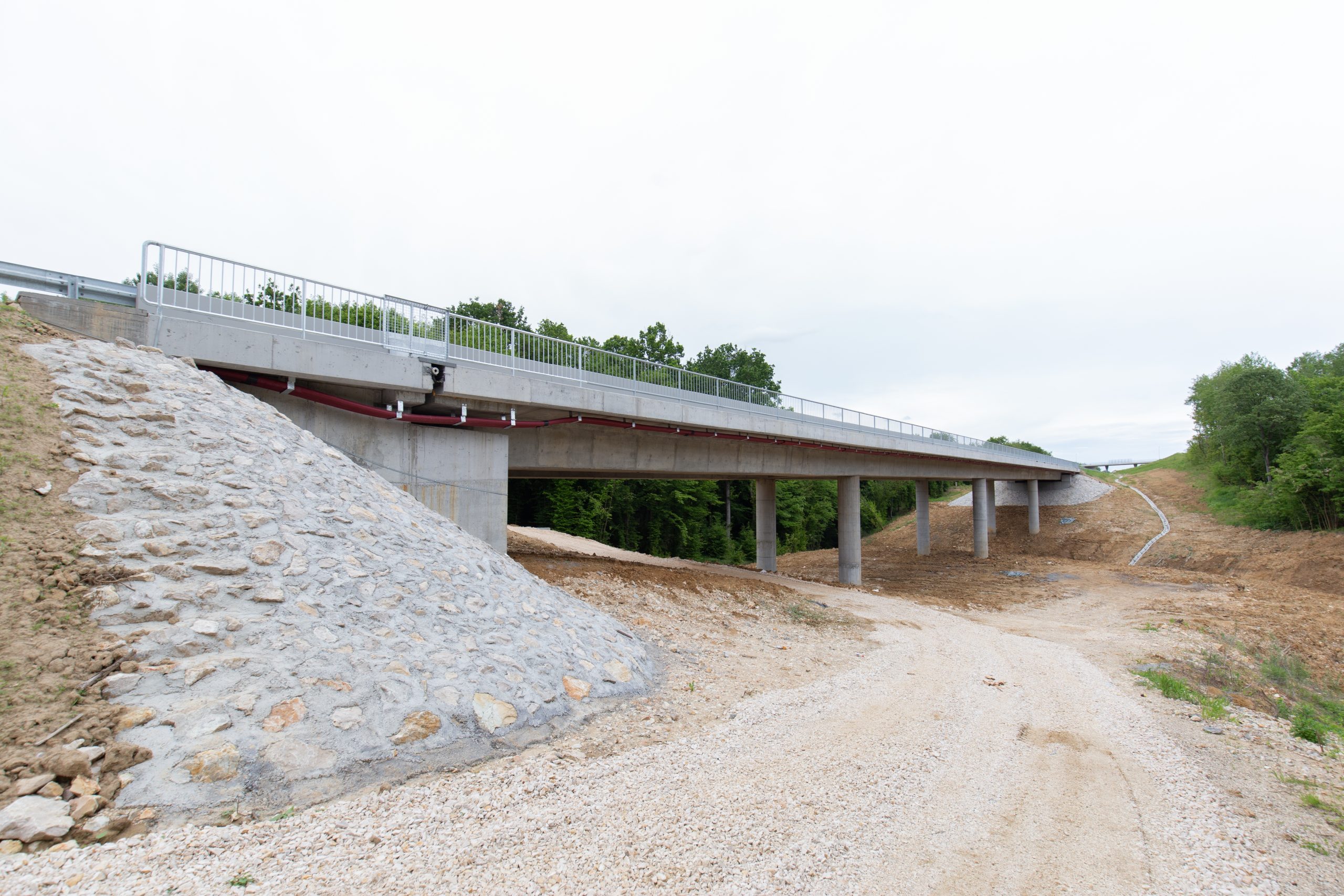
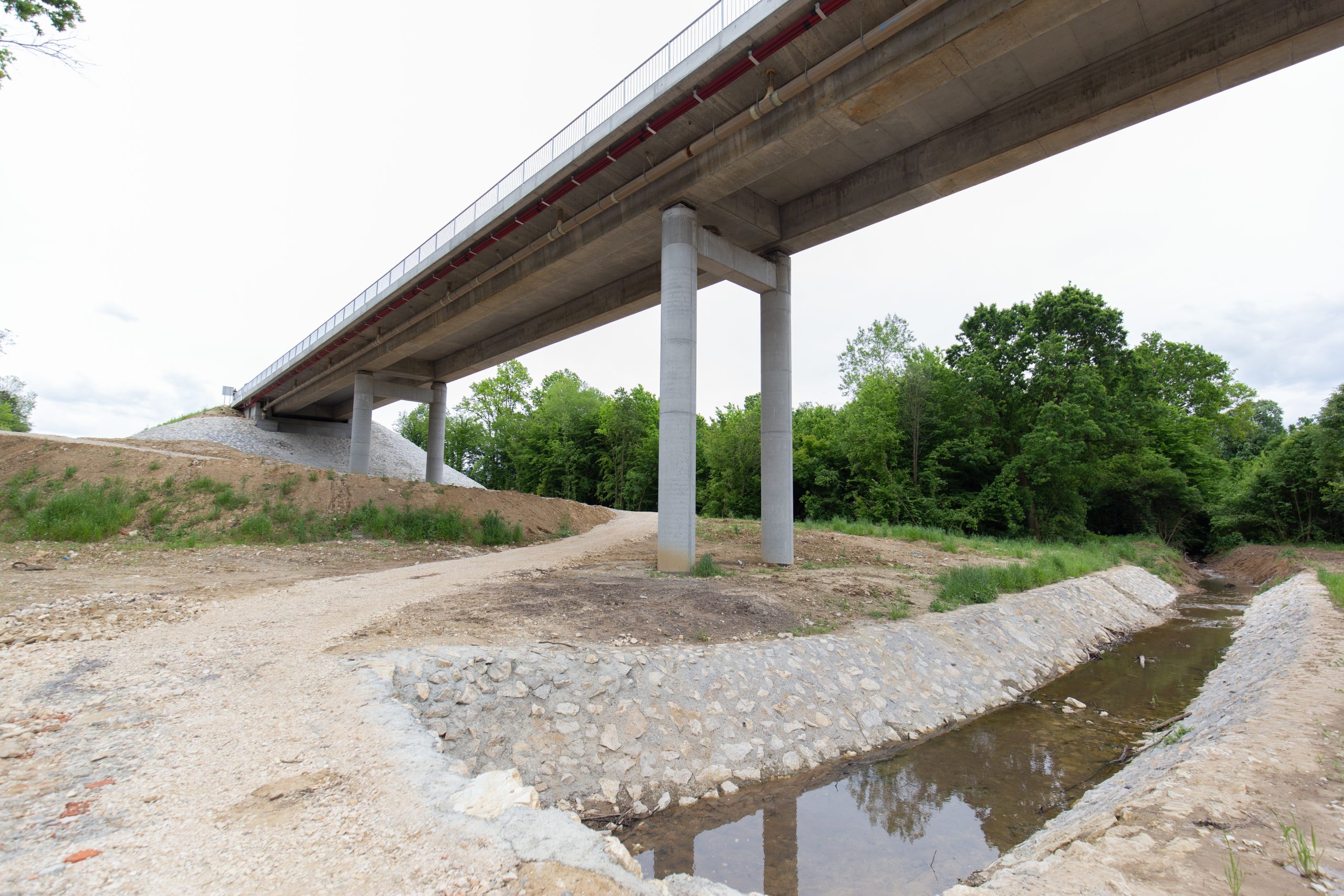
Addressing the risks faced by chickens on Australian roads requires a multi-faceted approach. One effective strategy is the implementation of wildlife underpasses or overpasses, allowing chickens and other animals to safely cross roads without encountering traffic. These structures have proven successful in reducing wildlife collisions in other parts of the world. Another approach is to improve road signage, warning drivers of the potential presence of chickens and urging them to slow down. Reducing speed limits in areas known to be frequented by chickens can also significantly decrease the risk of collisions. Additionally, educating the public about the “chicken road” phenomenon and the importance of responsible driving can play a crucial role in raising awareness and promoting safer driving practices.
- Wildlife underpasses/overpasses: safe passage across roads.
- Improved road signage: warns drivers of chicken presence.
- Reduced speed limits: decreases collision risk.
- Public education: promotes responsible driving.
- Habitat preservation: Maintains food and water sources.
Ultimately, minimizing the impact on chicken populations requires a proactive and collaborative effort involving local communities, government agencies, and landowners.
The Role of Habitat Preservation and Sustainable Farming
The health and well-being of chicken populations are inextricably linked to the preservation of their natural habitats. As urbanization and agricultural expansion continue to encroach upon these habitats, chickens are increasingly forced to venture into human-dominated landscapes in search of food and shelter. Maintaining and restoring native vegetation, protecting waterways, and creating buffer zones between farmlands and natural areas are all vital steps towards ensuring the long-term survival of these birds. Sustainable farming practices also play a crucial role. Minimizing pesticide use, providing access to shade and water, and allowing chickens to roam freely can all contribute to their overall health and resilience.
Integrating Chicken Welfare into Agricultural Practices
Integrating chicken welfare into agricultural practices isn’t merely an ethical consideration; it’s also a sound economic one. Healthy, well-nourished chickens are more productive, yielding better quality eggs and meat. By adopting farming methods that prioritize chicken welfare, farmers can benefit from increased yields, reduced disease rates, and enhanced sustainability. This could involve providing enriched housing environments, allowing for natural foraging behaviors, and implementing biosecurity measures to prevent the spread of disease. Encouraging the development of "chicken-friendly" farming certifications can also help consumers make informed choices and support farmers who prioritize animal welfare. This demonstrates that responsible agriculture and wildlife conservation can go hand in hand.
- Maintain native vegetation for foraging.
- Protect vital water sources.
- Reduce pesticide use.
- Provide shade & water access.
- Implement biosecurity measures.
A holistic approach that considers the ecological needs of chickens alongside the economic realities of farming is essential for ensuring a harmonious coexistence.
The Cultural Significance of Chickens in Australia
Beyond their ecological role, chickens hold a surprising degree of cultural significance in Australia. Historically, chickens were an important source of food and eggs for early settlers, often playing a vital role in providing sustenance for families living in remote areas. Even today, backyard chicken keeping is a popular pastime for many Australians, offering a connection to nature and a source of fresh, healthy eggs. Chickens also feature prominently in Australian folklore and art, often symbolizing resilience, adaptability, and the simple joys of rural life. The rooster, in particular, is a ubiquitous symbol of the Australian countryside, often associated with the early morning and the rhythms of farm life.
Observing the Phenomenon: Responsible Tourism and Appreciation
For those interested in witnessing the "chicken road australia" phenomenon firsthand, it's crucial to approach it with respect and responsibility. Avoid disturbing the birds or their habitats and adhere to all local regulations. Supporting eco-tourism initiatives that prioritize wildlife conservation can provide opportunities to learn more about these fascinating creatures and contribute to their protection. Remember to maintain a safe distance, avoid feeding the chickens, and never attempt to interfere with their natural behavior. Observing these birds in their natural environment is a privilege, and it’s our responsibility to ensure that our presence doesn’t negatively impact their well-being.
The journey of these Australian chickens serves as a poignant reminder of the interconnectedness between humans and wildlife. Understanding their behaviors, acknowledging the challenges they face, and implementing proactive conservation measures are essential for ensuring that future generations can continue to witness this natural spectacle. Protecting their habitats and promoting sustainable practices is not simply an environmental imperative; it is a cultural one, recognizing the value of these birds as integral components of the Australian landscape and heritage.