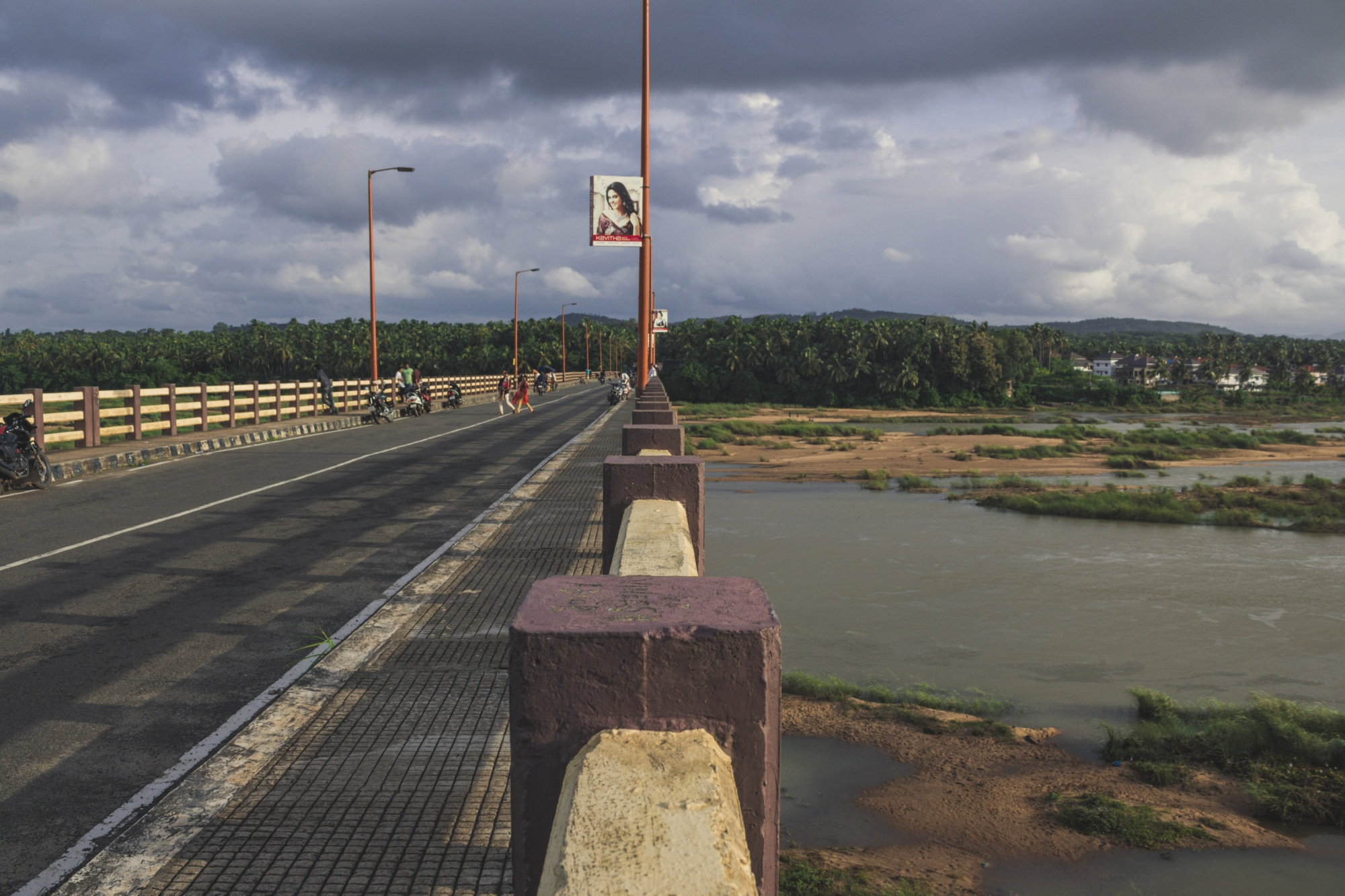
- Essential travel planning for navigating the challenging chicken road terrain and beyond
- Understanding the Terrain and Potential Hazards
- Vehicle Preparation and Essential Modifications
- Essential Gear and Supplies for a Remote Expedition
- Safety Protocols and Emergency Procedures
- Advanced Route Planning and Contingency Strategies
- Expanding Horizons: Beyond the Initial Challenge
Essential travel planning for navigating the challenging chicken road terrain and beyond
Navigating unfamiliar terrain can be a thrilling adventure, but it often comes with its own unique set of challenges. For travelers seeking off-the-beaten-path experiences, the allure of remote locations is strong. However, adequate preparation is paramount to ensure a safe and enjoyable journey. One particularly notorious stretch of road, frequently discussed amongst adventure travelers, is known as the chicken road. This route, famed for its rugged conditions and unpredictable nature, demands careful planning and a realistic assessment of your capabilities. It’s a test of both vehicle and driver, and a situation where thorough preparation can be the difference between a memorable adventure and a harrowing ordeal.
The appeal of challenging routes like this lies in the sense of accomplishment and the opportunity to witness landscapes untouched by mass tourism. However, it's crucial to remember that these kinds of expeditions aren't merely about having a robust vehicle; they're about possessing the skills and knowledge to handle unexpected situations. This includes being adept at vehicle recovery, carrying appropriate supplies, understanding basic first aid, and having a clear communication plan. Ignoring these vital aspects can quickly transform a dream trip into a logistical nightmare. The key is to respect the environment and acknowledge the inherent risks involved.
Understanding the Terrain and Potential Hazards
The “chicken road,” typically referring to a specific, challenging section of road in Costa Rica, earns its name from local lore. Legend has it that only those with the courage of a chicken would attempt to traverse it. The conditions are notoriously difficult, consisting of deeply rutted dirt tracks, steep inclines, river crossings, and sections prone to landslides, especially during the rainy season. Beyond the physical obstacles, travelers must contend with the potential for mechanical failures, limited access to assistance, and the possibility of encountering unpredictable weather patterns. Preparation extends beyond the vehicle and includes a comprehensive understanding of the prevailing conditions.
A detailed assessment of the route is the first step. This involves researching recent road reports, consulting with local experts, and studying topographical maps. Knowing the locations of potential hazards, such as deep river crossings, and areas prone to landslides is crucial. Furthermore, it's essential to understand the seasonal variations in road conditions. The rainy season, typically from May to November, dramatically increases the difficulty level, turning relatively manageable sections into near-impassable obstacles. Planning your trip outside of the rainy season, if possible, significantly reduces the risks, though even then, conditions can change rapidly. Having satellite communication devices available is critical for essential reporting of conditions.
Vehicle Preparation and Essential Modifications
Before tackling any demanding terrain, your vehicle must be meticulously prepared. This involves a thorough mechanical inspection, paying particular attention to suspension, tires, brakes, and the cooling system. Upgrading to all-terrain tires with aggressive tread patterns is highly recommended. Reinforcing the undercarriage with skid plates can protect vulnerable components from damage. A high-clearance suspension is also essential for negotiating obstacles. Remember that even a well-prepared vehicle is not immune to failures; carrying a comprehensive toolkit, spare parts, and the knowledge to perform basic repairs is indispensable. Specialized recovery gear, such as a winch, tow straps, and a shovel, can also prove invaluable in overcoming unforeseen challenges.
Beyond mechanical preparation, considering vehicle modifications can enhance your capabilities. Installing a snorkel can protect the engine from water ingestion during river crossings, while a heavy-duty radiator can prevent overheating on steep inclines. A limited-slip differential can improve traction in slippery conditions. Don’t underestimate the value of a good off-road jack and recovery boards. Equally important is ensuring your vehicle is properly insured for off-road travel and that you have an emergency plan in place in case of a breakdown or accident.
| Component | Consideration |
|---|---|
| Tires | All-terrain tires with aggressive tread; check spare tire condition. |
| Suspension | High-clearance suspension for ground clearance. |
| Undercarriage | Skid plates to protect vital components. |
| Cooling System | Heavy-duty radiator and coolant capacity. |
Regularly checking tire pressure, fluid levels, and overall vehicle condition throughout your journey is paramount. A proactive approach to maintenance can prevent minor issues from escalating into major problems.
Essential Gear and Supplies for a Remote Expedition
A successful journey on challenging terrain requires more than just a capable vehicle; it demands a comprehensive selection of gear and supplies. These should encompass not only the necessities for survival but also the tools for self-sufficiency. This includes ample food and water, appropriate clothing for varying weather conditions, a well-stocked first-aid kit, navigation tools, and communication devices. It’s always better to err on the side of caution and pack more than you think you’ll need. Unexpected delays or emergencies can quickly deplete your resources.
Beyond the basics, consider packing items specifically tailored to the environment and the potential hazards you may encounter. A satellite phone or a personal locator beacon (PLB) can be a lifeline in areas with limited cellular coverage. A GPS device with pre-loaded maps can help you navigate even without a signal. A portable water filter or purification tablets can ensure access to safe drinking water. And don’t forget essentials like sunscreen, insect repellent, and a headlamp. Careful resource management and a preparedness mindset are key.
- Food & Water: Non-perishable food items, water purification tools, and ample water storage.
- First Aid: Comprehensive kit including bandages, antiseptic, pain relievers, and any personal medications.
- Navigation: GPS device with pre-loaded maps, compass, and topographical maps.
- Communication: Satellite phone or Personal Locator Beacon (PLB).
- Tools & Recovery: Winch, tow straps, shovel, basic toolkit, spare parts.
- Clothing: Layered clothing suitable for varying weather conditions, rain gear, sturdy boots.
Before embarking on your journey, familiarize yourself with the operation of all your gear, particularly the communication and navigation devices. Practice using your satellite phone and GPS in a familiar environment before relying on them in a remote location.
Safety Protocols and Emergency Procedures
Prioritizing safety is paramount when venturing into challenging terrain. This involves establishing clear safety protocols, developing emergency procedures, and informing others of your travel plans. Before departing, share your itinerary with friends or family, including your planned route, expected arrival times, and emergency contact information. Establish a regular check-in schedule and notify your contacts if you deviate from your plan. This is particularly important when traveling solo or in remote areas.
In the event of an emergency, remaining calm and assessing the situation is crucial. Activate your communication device and request assistance if needed. If self-rescue is possible, follow established safety protocols and use your training and equipment to resolve the issue. Avoid taking unnecessary risks and prioritize your safety above all else. Knowing basic first aid and CPR can be invaluable in providing immediate medical assistance until help arrives. Proper trip planning, preparation, and adherence to safety protocols are the cornerstones of a successful and safe expedition.
- Share Itinerary: Inform friends/family of your route, schedule, and emergency contacts.
- Regular Check-ins: Establish a check-in schedule and adhere to it.
- Emergency Communication: Utilize a satellite phone or PLB for remote communication.
- First Aid Training: Obtain basic first aid and CPR certification.
- Situational Awareness: Constantly assess your surroundings and potential hazards.
Remember that responsible travel is not only about minimizing risks to yourself but also about respecting the environment and local communities. Leave no trace behind, pack out all your trash, and avoid disturbing wildlife.
Advanced Route Planning and Contingency Strategies
Effective route planning goes beyond simply identifying the starting and ending points of your journey. It involves a detailed analysis of the terrain, potential obstacles, and alternative routes. Utilize topographical maps, satellite imagery, and online resources to gain a comprehensive understanding of the landscape. Identify potential hazards, such as river crossings, steep inclines, and areas prone to landslides, and develop contingency plans for navigating them. Having multiple route options allows you to adapt to changing conditions and avoid unexpected roadblocks.
A robust contingency strategy is equally important. This involves anticipating potential problems, such as mechanical failures, weather delays, and medical emergencies, and developing plans to mitigate their impact. Consider carrying extra fuel, spare parts, and emergency supplies. Familiarize yourself with basic vehicle recovery techniques and carry the necessary equipment. Establish a communication plan for contacting emergency services and ensure that your travel companions are aware of your plans. The ability to adapt and improvise is essential when venturing into unpredictable environments.
Expanding Horizons: Beyond the Initial Challenge
Successfully navigating a demanding route like the “chicken road” often sparks a desire for further exploration. The skills and knowledge gained during such an experience can serve as a foundation for tackling even more challenging adventures. Perhaps the next step involves exploring remote mountain passes, crossing vast deserts, or venturing into uncharted territories. Each expedition presents new opportunities for learning, growth, and a deeper appreciation for the natural world. It’s important to continuously refine your skills, expand your knowledge, and remain committed to responsible travel practices. Developing a strong network of fellow adventurers can also provide valuable support and inspiration.
Moreover, the lessons learned from these experiences can be applied to other aspects of life, fostering resilience, problem-solving skills, and a greater sense of self-reliance. The ability to overcome obstacles and adapt to changing circumstances is a valuable asset in any field. So, while the “chicken road” may represent a significant challenge, it can also be a catalyst for personal and professional development, opening doors to a world of possibilities and fostering a lifelong passion for exploration.